‘Don’t Do It!’ – QPR Urged to Reject Tim Sherwood’s Push for Manager Role
‘Don’t Do It!’ – QPR Urged to Reject Tim Sherwood’s Push for Manager Role
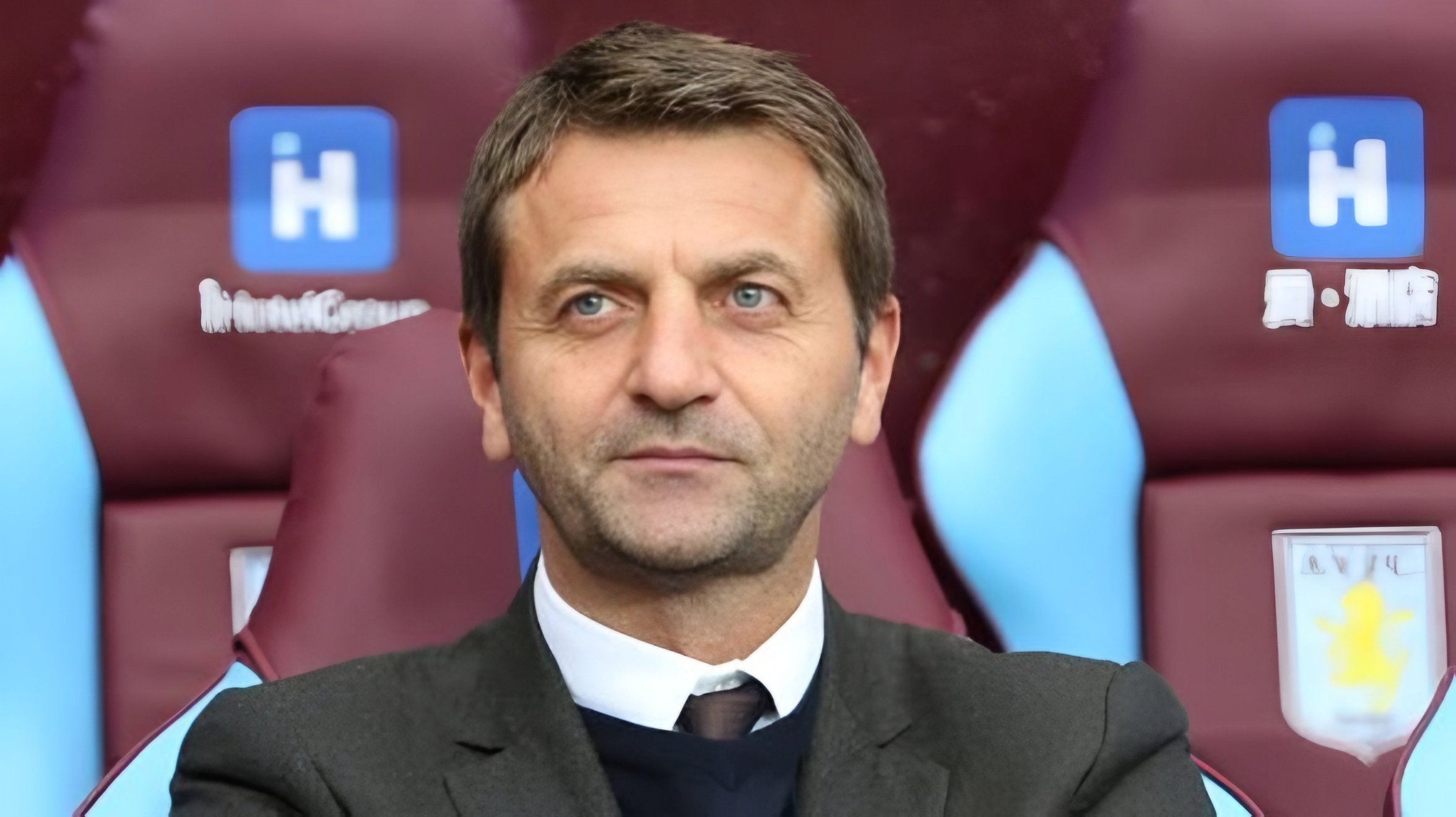
Tim Sherwood has frequently been linked with the managerial position at Queens Park Rangers whenever the job becomes available, but many observers believe that such speculation now feels outdated. Journalist Louis, for example, has suggested that football has evolved significantly since Sherwood last worked as a manager, and that QPR should instead remain committed to the strategy they have been building in recent years.

Louis argued that the club’s modern direction — particularly its focus on structured recruitment and a more European-style management approach — would be undermined by appointing Sherwood. In his view, the club must stay faithful to its long-term vision rather than revert to ideas that belong to a different era.
He explained:
“Every time the QPR job becomes available, Sherwood’s name seems to appear in the rumours, but I think those days have passed. Personally, I don’t think he would have been the right choice back then and I don’t believe he would be the right choice now either. The club has worked hard to build a clear strategy for management and recruitment, something that aligns more with the European model and fits the way a modern club operates. Bringing in someone like Tim Sherwood wouldn’t excite the supporters, and it certainly wouldn’t excite me.”

The continued association between Sherwood and QPR is somewhat puzzling, particularly because he has never had a direct connection with the club during his career. The only real link is that he shares former teammates with individuals connected to QPR, but beyond that there is little historical relationship tying him to the West London side.
Sherwood enjoyed a long and distinguished playing career before moving into coaching. A product of the Watford academy, he made his professional debut for the club in 1989. From there, he went on to play for several English clubs including Norwich City, Blackburn Rovers, Tottenham Hotspur, Portsmouth and Coventry City before eventually hanging up his boots in 2005.
His time as a player included a number of notable achievements. Sherwood earned three caps for England during his career and was widely respected as a commanding midfielder and a strong dressing-room leader. Perhaps the highlight of his playing days came at Blackburn Rovers, where he captained the side that famously won the Premier League title during the 1994–95 season — one of the most memorable triumphs in English football history.
After retiring from playing, Sherwood transitioned into coaching and management, although his career on the sidelines proved far shorter and more inconsistent than his time on the pitch. In 2008 he joined the coaching setup at Tottenham Hotspur and gradually climbed the ranks within the club. By 2012 he had become Tottenham’s technical director, giving him greater influence over the club’s football operations.
Sherwood was eventually promoted to the role of first-team head coach in December 2013 following the dismissal of Andre Villas-Boas. His appointment was initially seen as a bold move by Tottenham, as he had no prior experience managing at senior level. Under Sherwood, Spurs finished sixth in the Premier League that season, but despite that respectable league position, he was dismissed at the end of the campaign in May 2014.
His next managerial opportunity came less than a year later. In February 2015, Aston Villa appointed Sherwood as their new head coach following the departure of Paul Lambert. Sherwood initially made an impact, guiding Villa away from relegation danger and even leading the club to the FA Cup final that season. However, the fairy-tale run ended in disappointment when Villa suffered a heavy 4–0 defeat to Arsenal at Wembley.
The following season quickly unravelled for Sherwood and Aston Villa. After a disastrous run of six consecutive defeats early in the 2015–16 campaign, the club decided to part ways with him in October 2015. At the time of his departure, Villa were sitting at the bottom of the Premier League table.
Since leaving Aston Villa, Sherwood has largely stepped away from frontline football roles. His only brief return to club involvement came between November 2016 and May 2017 when he served as director of football at Swindon Town. That stint was short-lived and ended with the club suffering relegation to League Two.
As a result, it has now been almost nine years since Sherwood last held a position at a professional football club, and more than a decade since he last managed a team. His entire managerial career consisted of just 56 matches across his spells with Tottenham and Aston Villa, and the results during those periods were mixed at best.
There is no doubt that Sherwood’s playing career was impressive and decorated, particularly his leadership role in Blackburn’s historic Premier League triumph. However, his managerial résumé does not carry the same weight. For many observers, that lack of managerial success raises serious questions about whether he would be the right candidate if Queens Park Rangers were to consider making a change in the dugout, especially if they decide that their current experiment under Julien Stéphan has not delivered the desired results.












Post Comment