He was worse than Solanke: 2/10 Spurs flop must Not start for De Zerbi again
Even the most optimistic of Tottenham Hotspur supporters are now beginning to accept a harsh reality. What once seemed unthinkable has become alarmingly plausible: Spurs are entrenched in the Premier League relegation zone with just six matches remaining. Hope has slowly given way to anxiety, and the mood around the club has shifted from cautious belief to genuine fear.
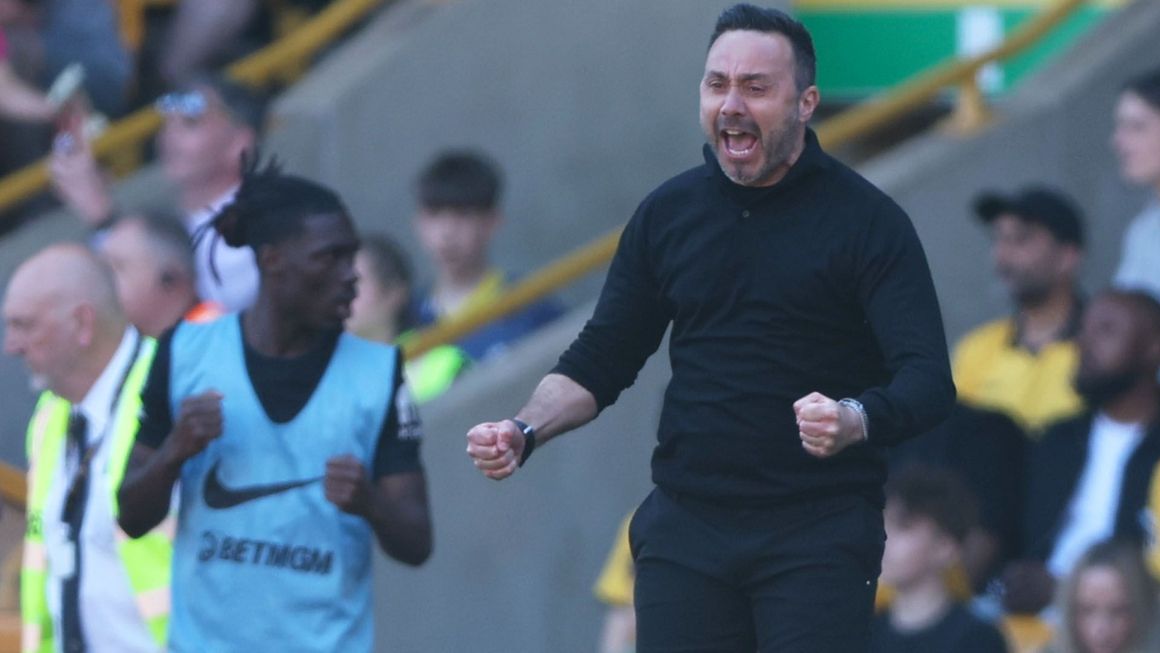
Tottenham’s situation is nothing short of critical. The late appointment of Roberto De Zerbi, who replaced Igor Tudor after a brief and underwhelming 44-day spell, was intended to inject fresh ideas and urgency into a faltering campaign. However, with time running out, De Zerbi faces an enormous task—one that requires immediate improvement if Spurs are to avoid a disastrous drop into the Championship.
This season has been riddled with poor decisions and underwhelming managerial tenures. Thomas Frank oversaw a spell that failed to bring stability or progress, while Ange Postecoglou, despite early promise, ultimately left more questions than answers. Tudor’s short-lived reign only compounded the confusion, with performances lacking cohesion and direction. At times, it seemed as though the players were struggling to interpret even the most basic tactical instructions.
The decline has not been limited to the managerial dugout. Key players have also failed to perform at the required level. Micky van de Ven, once a pillar of defensive reliability, now appears a shadow of his former self, struggling to impose himself in crucial moments. However, Tottenham’s biggest issue arguably lies further up the pitch, where a lack of creativity and cutting edge has severely hampered their ability to compete.
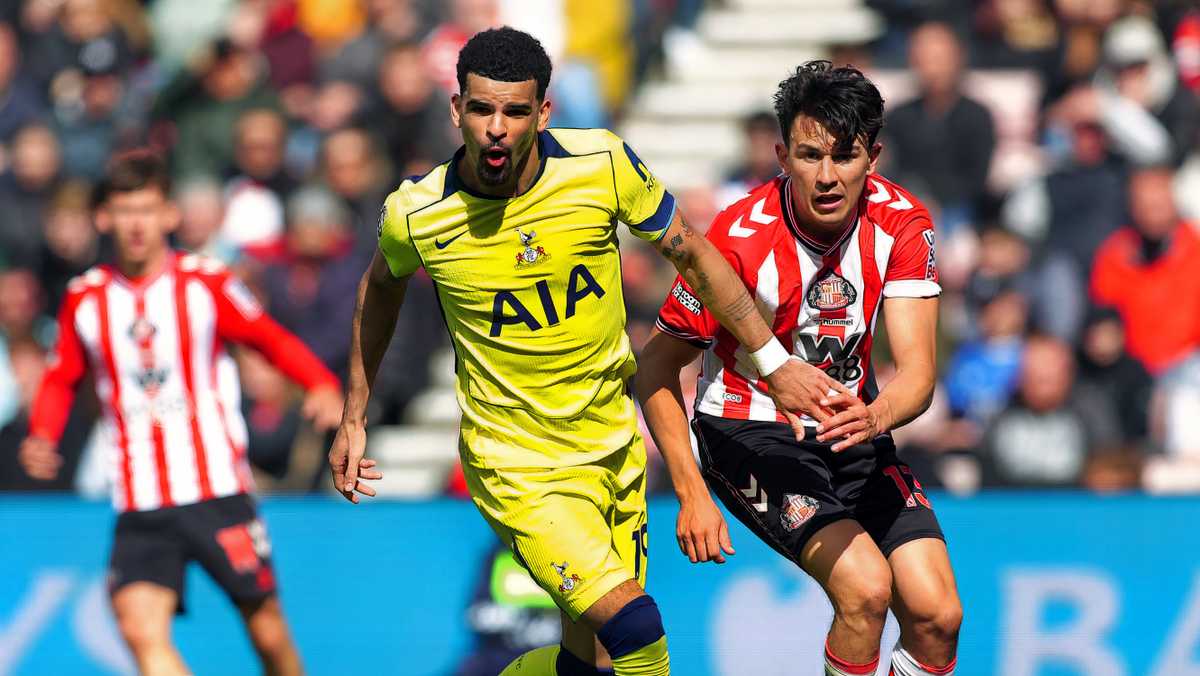
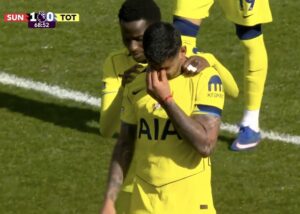
Much of the spotlight has fallen on Dominic Solanke, particularly after the recent defeat to Sunderland at the Stadium of Light. That loss marked Tottenham’s 16th in 32 league matches—a damning statistic that underlines the scale of their struggles. Since the turn of the year, Spurs have been among the worst-performing sides in the division, unable to string together consistent results.
Solanke’s return from injury in January had been eagerly anticipated, and to his credit, he has contributed with six goals across all competitions in 2026—three in the league and three in Europe. Yet, beyond those numbers, his performances have often lacked authority. Against Sunderland, he squandered a golden opportunity late in the first half with the game still finely poised. More concerning, however, was his overall display—isolated, uncertain, and largely ineffective in the final third.
In stark contrast stood Sunderland’s physical forward Brian Brobbey. Although he did not find the back of the net, Brobbey dominated the contest in other ways, bullying Tottenham’s defenders and holding up play with impressive strength and composure. He won four ground duels, compared to Solanke’s solitary success, highlighting the gulf in influence between the two strikers. Brobbey’s performance epitomised the aggression and presence that Spurs so desperately lacked.
That said, Solanke was far from the only player to underperform. The supporting cast around him offered little assistance. Randal Kolo Muani appears increasingly likely to depart the club, having failed to make a lasting impact, while Richarlison drifted through the game with minimal involvement.
Even more concerning has been the form of Conor Gallagher, who joined Tottenham from Atletico Madrid in January for £35 million. Brought in as a dynamic and experienced midfield presence, Gallagher has yet to deliver. Despite his pedigree in both the Premier League and La Liga, he remains without a league victory in a Spurs shirt and has struggled to impose himself on matches.
De Zerbi’s in-game management has also come under scrutiny. Persisting with Gallagher until the 85th minute against Sunderland raised eyebrows, particularly when more creative options such as Xavi Simons were left with too little time to influence proceedings. The decision-making highlighted a broader issue: a lack of clarity in how Tottenham are attempting to play under their new manager.
The reality is that Gallagher may simply not fit into De Zerbi’s tactical vision. Known for his possession-based, fluid attacking style, the Italian demands technical precision and creativity from his midfielders—qualities that Gallagher has struggled to consistently demonstrate in this system. While his work rate and physicality are undeniable, they have not translated into meaningful contributions on the ball.
Statistics alone fail to capture the full extent of the problem. There is a visible disconnect in Tottenham’s play, with little cohesion or confidence in possession. Even De Zerbi’s faith in Gallagher has not been repaid, as the midfielder continues to deliver performances lacking in imagination and composure.
Former Spurs midfielder Jamie O’Hara did not hold back in his assessment, awarding Gallagher a brutal 2/10 rating for his display. While subjective, such criticism reflects the growing frustration among fans and pundits alike.
Gallagher was initially presented as a hardworking, combative midfielder capable of driving the team forward. Instead, he has become emblematic of Tottenham’s broader struggles, leaving three different managers grappling with the same unanswered questions. Analyst Tactically Matt even described De Zerbi’s decision to pair Gallagher with Joao Palhinha in central midfield as “absolutely hilarious,” a damning indictment of a partnership that failed to function effectively.
Looking ahead, De Zerbi must make bold decisions. The upcoming clash with Brighton—his former club—offers an opportunity to reset, but only if he is willing to take decisive action. Introducing Simons from the start could provide the creativity Spurs so desperately need, while Gallagher’s continued inclusion now seems increasingly untenable.
At this stage of the season, sentiment cannot outweigh performance. If Tottenham are to stand any chance of survival, underperforming players must be dropped, regardless of reputation or transfer fee. For Gallagher, this could mean spending the remainder of the campaign on the sidelines, with his long-term future at the club far from secure.
Tottenham’s predicament is dire, but not irreversible. However, without immediate improvement—in both individual performances and tactical execution—the unthinkable may soon become reality.




Post Comment