🗣️It Wasn’t His Fault: Tottenham Regret Sacking Frank — Here’s Who’s Really to Blame
It Wasn’t His Fault: Tottenham Regret Sacking Frank — Here’s Who’s Really to Blame
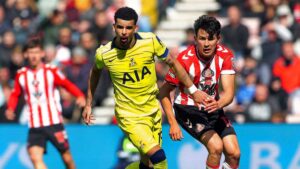
Thomas Frank’s turbulent spell in charge of Tottenham Hotspur came to a premature end after just eight months, with the club hovering dangerously close to the drop zone—only five points clear of relegation danger. A dismal eight-match winless streak in the Premier League ultimately proved decisive, as frustration among supporters intensified and the atmosphere around the club grew increasingly toxic, paving the way for his dismissal.
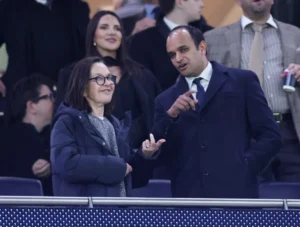
Frank blamed, but problems run deeper
Former Everton chief Keith Wyness, who served as CEO at Goodison Park between 2004 and 2009 and now runs a consultancy advising elite clubs, believes the root of Tottenham’s issues lies above the dugout rather than inside it.
Speaking on Football Insider’s Inside Track, Wyness revealed that internal unrest—particularly within the dressing room—played a major role in the decision to part ways with Frank. According to him, the Dane was not the fundamental problem and instead became a casualty of structural shortcomings at boardroom level.
Wyness explained that he has long admired Frank’s managerial qualities and insisted that instability within the club hierarchy undermined his chances of success. He suggested that insufficient backing from ownership allowed tensions to grow unchecked, ultimately weakening the manager’s authority. In his view, the club’s powerbrokers—particularly the influential Lewis family—must now take firmer control and show visible commitment to whichever coach they entrust with the rebuild.
He stressed that from a purely coaching perspective, he saw little wrong with Frank’s work and argued that patience and stronger institutional support might have produced a very different outcome.
Igor Tudor steps in as Spurs scramble
Tottenham wasted no time naming Igor Tudor as interim boss until the end of the campaign. The former Juventus manager is set to begin his tenure in the most daunting fashion possible—against fierce rivals Arsenal.
The decision to hand Tudor the reins carries a degree of risk. Despite his experience across Europe, he has never previously managed in England’s top flight, and he inherits a squad battling both poor form and mounting pressure. The challenge is immediate: steady results, restore confidence, and steer Spurs away from relegation trouble.
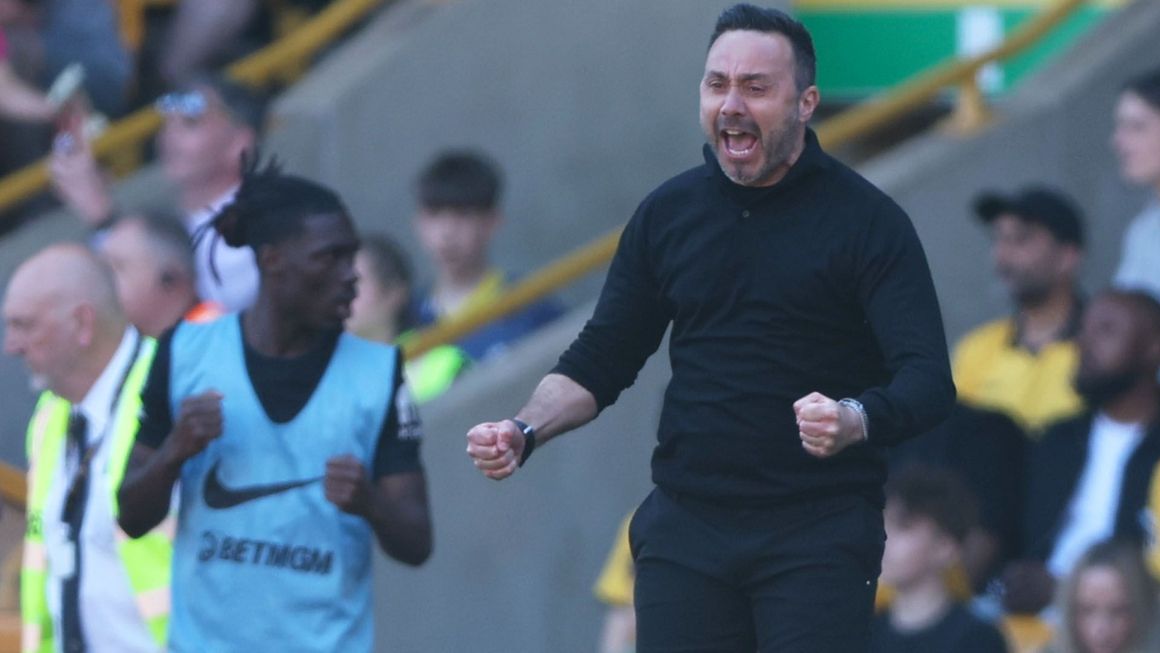
Still, the interim label does not automatically rule out a longer stay. Should Tudor spark a turnaround and galvanize the squad, he could force his way into contention for the permanent role. However, Tottenham’s hierarchy is expected to survey the managerial market in the summer, with names such as Michael Carrick and Roberto De Zerbi already being discussed as potential long-term options.

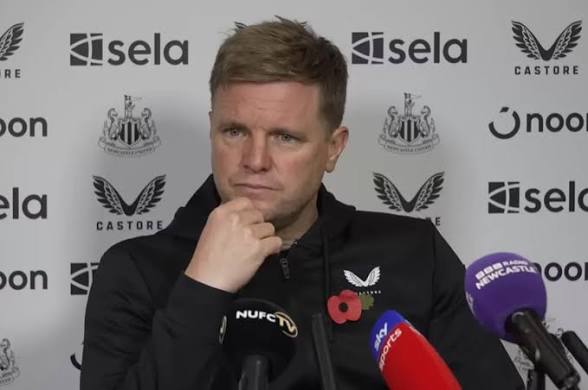
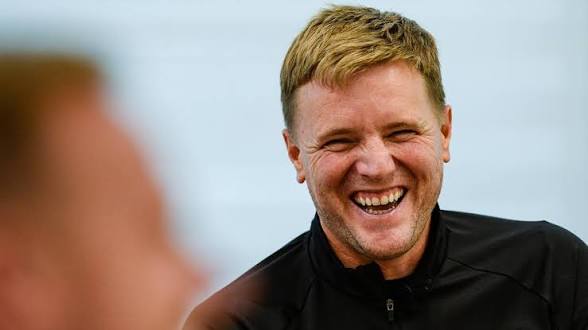






Post Comment