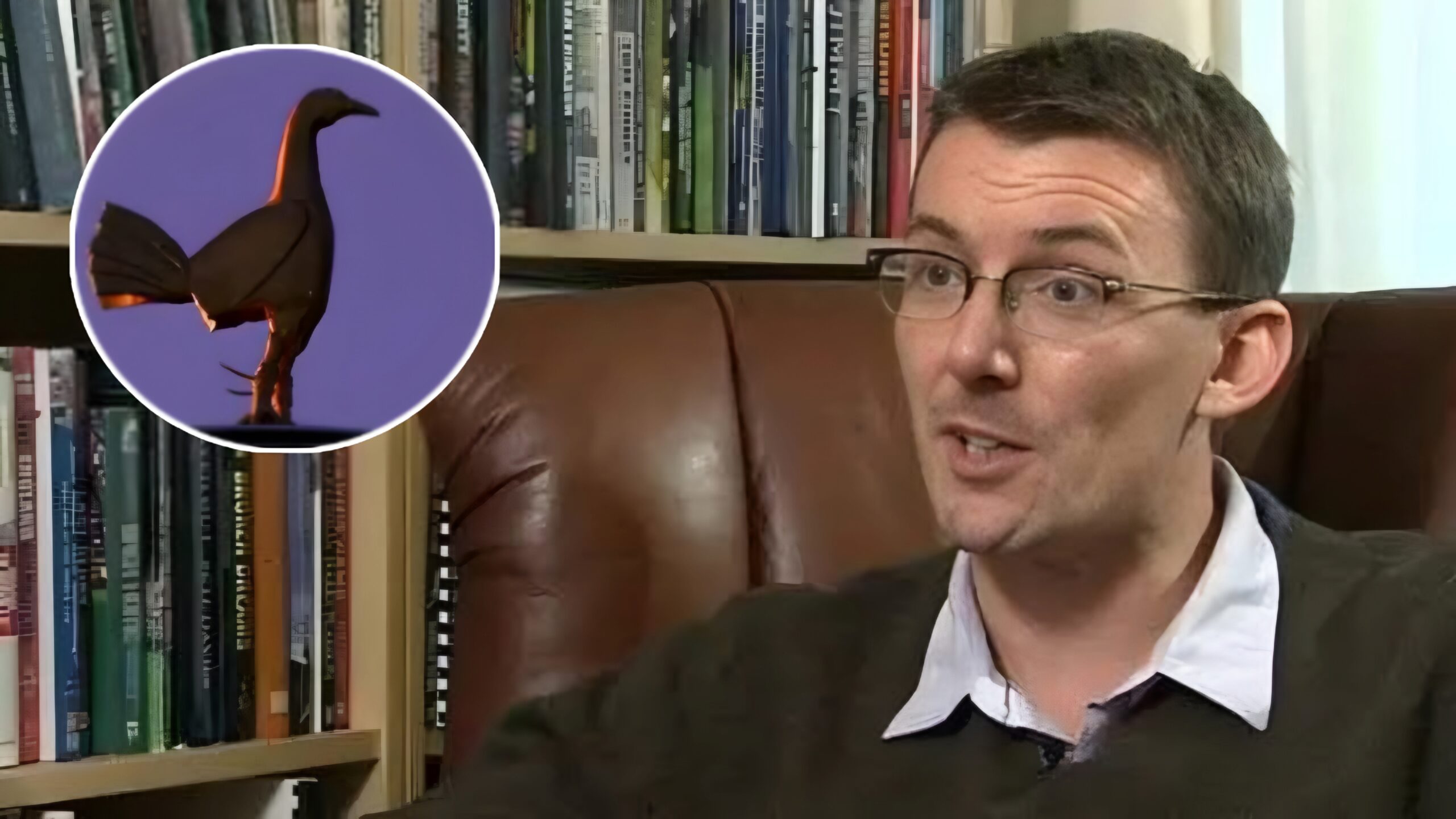
So Bad It’s Unbelievable: Jonathan Wilson Reveals Why Tottenham Are In Serious Relegation Danger And Fighting For Survival
So Bad It’s Unbelievable: Jonathan Wilson Reveals Why Tottenham Are In Serious Relegation Danger And Fighting For Survival

Tottenham Hotspur’s current situation feels almost impossible to comprehend when you consider the stature and recent history of the club. This is, after all, the team that lifted the UEFA Europa League trophy and entered the UEFA Champions League this season as defending European champions. They even finished fourth in the Champions League league phase, an achievement that on the surface suggests strength and competitiveness. However, that position may say just as much about the overall dominance of the Premier League compared to other European leagues as it does about Tottenham’s own quality.
Tottenham’s place in English football history also makes their current struggles even more astonishing. The club was one of the five teams that helped launch the Premier League in 1992, a move that reshaped modern football and transformed the financial landscape of the sport. Decades later, Spurs were again at the center of a major footballing revolution when they became one of the six English clubs involved in the controversial and ultimately collapsed European Super League project.
Looking back, the contrast between past optimism and the present crisis is striking. Exactly ten years ago, Tottenham defeated Swansea City to move within just two points of the league leaders, Leicester City. At the time, Spurs looked like a club on the verge of something special, a genuine title contender with a talented squad and a clear direction. Today, however, the picture is very different. The club that once threatened to dominate English football now finds itself struggling to stay competitive.
Off the pitch, Tottenham still possess some of the best infrastructure in world football. Their state-of-the-art home, the Tottenham Hotspur Stadium, is widely regarded as the finest stadium in England. Yet even such impressive facilities have not been enough to prevent the dramatic decline in performances and results. The obvious question remains: how did things deteriorate so drastically?
Injuries have undoubtedly played a major role in Tottenham’s collapse this season. The squad has been devastated by a long list of absentees. Players such as Djed Spence, Destiny Udogie, Ben Davies, Rodrigo Bentancur, Lucas Bergvall, Mohammed Kudus, Dejan Kulusevski, James Maddison, and Wilson Odobert have all spent time on the sidelines due to injuries. Meanwhile, Cristian Romero has been unavailable after receiving a red card against Manchester United, resulting in a four-match suspension.
Although Dominic Solanke and Radu Drăgușin are now back to full fitness, both players missed significant portions of the campaign earlier in the season. Such a relentless wave of injuries is far from normal for any club, yet Tottenham experienced something very similar last year as well, raising questions about squad depth, fitness management, and overall planning.
Beyond injuries, the way the squad has been built over the past decade has also contributed heavily to the club’s struggles. The group of players that pushed Tottenham close to the title race roughly ten years ago gradually became stale. Instead of refreshing the squad at the right time, the club hesitated to make major changes. Part of this was due to the enormous financial commitment required to build their new stadium, but there was also a lingering fear within the club hierarchy of being labeled a “selling club” that constantly loses its best players.
There may also have been concerns about recruitment. Tottenham’s leadership appeared uncertain about whether large transfer investments would be spent wisely, and in hindsight that caution may have been justified. In the years that followed, several transfer decisions failed to deliver the expected impact. At the same time, the club showed a notable reluctance to increase spending. Last season, Tottenham had the lowest wages-to-revenue ratio in the entire Premier League, highlighting a cautious financial approach that may have limited their ability to compete with richer rivals.
Another major problem has been the absence of a clear long-term footballing vision. Without a consistent strategy, Tottenham have cycled through a series of managers with vastly different philosophies and tactical approaches. Over the years, the club has moved from the pragmatic and defensive methods of José Mourinho to the brief tenure of Nuno Espírito Santo, followed by the intense and demanding system of Antonio Conte. More recently, Spurs turned to the attacking style of Ange Postecoglou before later appointing Thomas Frank.
Each managerial change brought a different philosophy, leaving the squad as a confusing mixture of players signed for completely different systems. The result is a team that feels disjointed — part of the squad consists of promising but still unproven young talents, while another portion is made up of experienced Premier League players whose performances have stagnated.
While Tottenham struggled to evolve, other clubs have steadily improved and closed the gap. The warning signs were already visible last season, but they were largely ignored. Now, with at least two newly promoted teams showing resilience and determination in the fight for survival, Spurs find themselves in an even more dangerous position in the league table.
The potential consequences of relegation would be catastrophic. Financially, dropping out of the Premier League would lead to enormous revenue losses from broadcasting rights, sponsorships, and commercial deals. But beyond the financial damage, there would also be the humiliation. If Tottenham were to suffer relegation, it would likely surpass the shock of their previous drop in 1977 and could rival the infamous relegation of Manchester United in 1974 as one of the most stunning falls in English football history.
Modern football, with its massive financial structures and global commercial power, is built to keep the biggest clubs at the top. That is precisely why the idea of Tottenham slipping out of the Premier League feels so extraordinary. Yet the club now finds itself facing a reality that once seemed unimaginable.











Post Comment