Tottenham’s Collapse Was No Surprise — Daniel Levy Already Prepared for the Worst
Tottenham’s Collapse Was No Surprise — Daniel Levy Already Prepared for the Worst

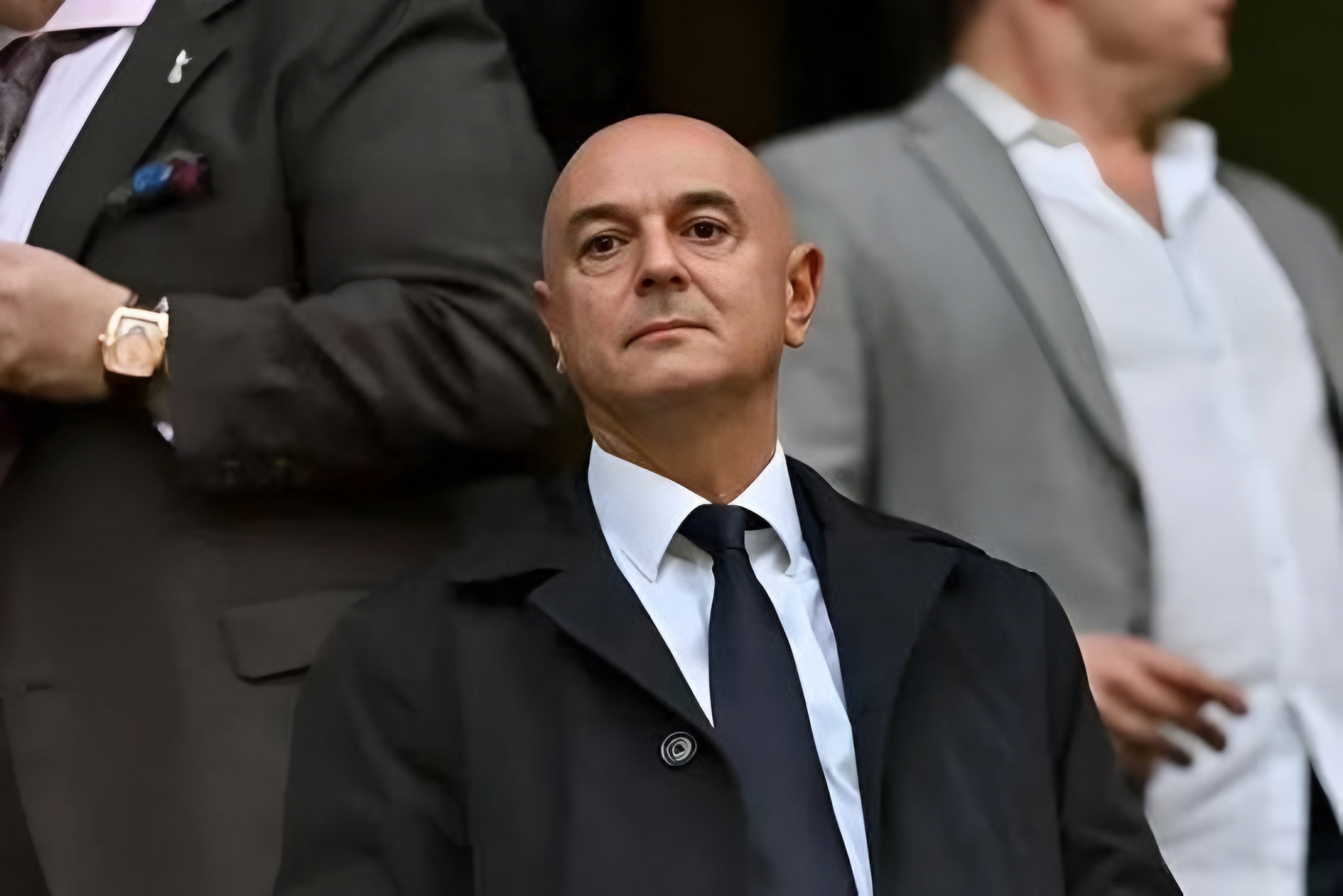
A report from one of the most trusted Premier League transfer insiders, David Ornstein, has revealed that Daniel Levy had already taken steps to prepare for the possibility of Tottenham Hotspur being relegated. According to Ornstein, Levy ensured that nearly every player contract at Spurs contains a clause that would significantly reduce wages if the club were to drop out of the Premier League. In most cases, the clause would see players’ salaries slashed by around 50 percent, serving as a financial safety net in the event of relegation.
The report explains that Levy deliberately made sure these relegation clauses were included across the squad’s contracts as a precautionary measure. From a financial standpoint, this type of planning protects the club from the enormous revenue loss that comes with leaving the Premier League. Relegation typically leads to a dramatic drop in broadcasting income, sponsorship value, and commercial revenue, so inserting such clauses helps prevent the club’s wage bill from becoming unsustainable.
However, the revelation has sparked mixed reactions among supporters and observers. On one side, the idea that Levy anticipated Tottenham being in danger of relegation is hardly comforting for fans of the North London club. It suggests that the chairman recognized the possibility of the team slipping into serious trouble long before the current struggles began. On the other hand, many argue that it is far wiser to be prepared for the worst-case scenario rather than being caught completely off guard.
Considering Tottenham ended last season in a disappointing 17th place in the Premier League table, Levy’s precaution now appears somewhat justified. Had the club been relegated without any financial safeguards in place, the consequences could have been disastrous. Some believe that if sporting director Johan Lange and chief executive Vinai Venkatesham had been left to handle the situation without those clauses, Tottenham might have faced even greater financial difficulties.
Despite some supporters defending former manager Ange Postecoglou by claiming Tottenham’s poor league finish was simply due to the club prioritizing other competitions, many analysts disagree. In reality, Spurs’ performances in the league during Postecoglou’s tenure were widely regarded as extremely poor, with the team struggling for consistency and results throughout the campaign. Finishing 17th was not merely bad luck or a lack of focus—it reflected a genuinely difficult season for the club.
Even so, Tottenham’s current situation is not entirely hopeless. Under the guidance of new manager Igor Tudor, the team still has time to recover and steer clear of the relegation zone. However, their recent heavy defeats to fierce rivals Arsenal and fellow London side Fulham have raised fresh concerns about the club’s form and confidence.
At present, Spurs find themselves just four points above West Ham United in the relegation battle, a position that highlights just how precarious their situation has become. For a club that regularly competes for European qualification, being dragged into a survival fight represents a worrying decline.
Tottenham appear to be going through one of the most difficult periods in their modern history. Even though they celebrated success by lifting the Europa League trophy last season, the overall direction of the club has come under intense scrutiny. Critics argue that Levy’s long tenure as chairman has played a major role in shaping the current circumstances, with some believing that the club’s issues have been building for years.
While responsibility does not lie solely with the current leadership team of Venkatesham and Lange, many feel that the problems at Tottenham run much deeper than recent decisions alone. The club’s struggles are seen by some as the result of long-term structural issues that have gradually taken hold.
Nevertheless, one thing appears clear from Ornstein’s report: regardless of criticism directed at him, Levy at least ensured that Tottenham would not face a financial catastrophe if the unthinkable were to happen. By including relegation clauses in player contracts, the chairman made sure the club would have some protection in place should the worst-case scenario ever become reality.











Post Comment