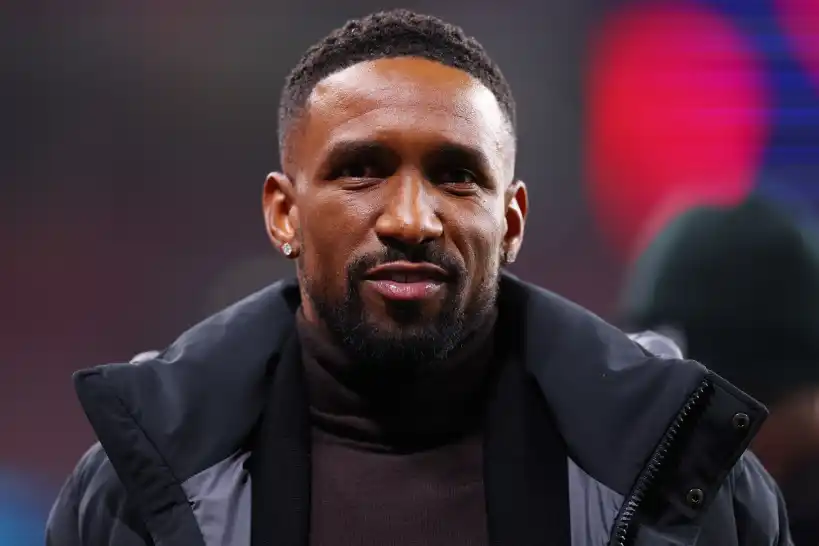
Jermain Defoe’s short-lived spell as Woking manager has taken another dramatic twist after the club’s director of football revealed the former England striker failed to attend training and missed a scheduled meeting before his departure from the National League side.
Defoe officially left Woking on Thursday after both parties agreed to terminate his contract by mutual consent, bringing an abrupt end to a managerial stint that lasted just a few months. The 43-year-old, who accepted the role in March, oversaw only six competitive matches, recording two victories, three draws and one defeat before stepping away from the position.
Earlier this week, Defoe broke his silence on the decision, insisting that circumstances beyond his control had made it impossible for him to continue leading the club. While his statement suggested external issues had influenced his exit, Woking’s director of football, Jody Brown, has now offered the club’s perspective, revealing that concerns had been growing behind the scenes during pre-season.
In a lengthy statement released on Woking’s official website, Brown admitted that appointing Defoe had been his own recommendation and accepted responsibility for the decision. Despite the disappointing outcome, he praised the former Tottenham Hotspur, West Ham United, Sunderland and England forward for his achievements as a player and wished him success in whatever path he chooses next.
Brown explained that after several meetings with Defoe before his appointment, he believed the former striker had the qualities needed to usher in a fresh era for the club. However, he acknowledged that excellence on the pitch does not automatically translate into success in football management, adding that the transition from player to coach can often prove challenging.
The director also stressed that Woking had continued backing Defoe until the very end of his tenure. He pointed to the recent signing of a player personally identified by the former manager as evidence that the club remained committed to supporting his plans and helping him strengthen the squad ahead of the new season.
According to Brown, Defoe had consistently projected optimism throughout the summer. Both publicly and in private conversations, he reportedly expressed confidence about the direction of the team and his excitement for the upcoming campaign. That positive outlook made his sudden departure all the more surprising for those inside the club.
Despite those encouraging messages, Brown revealed that concerns had gradually emerged from various areas of the football club. Feedback from players, coaching staff and other departments reportedly highlighted growing worries regarding preparations and the overall direction of the project.
In an effort to better understand the situation, Brown said he requested a detailed report from Defoe and his assistant, Paul Bracewell. The report was intended to outline the squad’s current depth, identify recruitment priorities and highlight any operational issues that required attention, allowing the club’s hierarchy to provide additional support before the season got underway.
Following that request, a meeting involving the club’s directors, Defoe, Bracewell and the Head of Operations was arranged to discuss preparations and ensure everything was in place for the new campaign.
However, Brown claimed that neither Defoe nor Bracewell attended the scheduled meeting. He further alleged that the pair also failed to appear for training on the same day, a development that raised further questions internally.
Brown stated that throughout Defoe’s time at Woking, the former striker had never communicated any serious concerns directly to him. As a result, he said he would not speculate on the reasons behind Defoe’s absence or the circumstances that ultimately led to the mutual termination of his contract.
He emphasized that the club’s priority throughout the situation remained supporting the players and staff while giving the football project every possible chance of succeeding. Brown concluded his statement by thanking Defoe and his coaching staff for their efforts before insisting Woking’s full attention is now focused on preparing for the upcoming National League season.
While the club has now shared its version of events, Defoe had already offered his own explanation through an emotional message posted on Instagram shortly after his exit was confirmed.
The former striker announced that he and Woking had mutually agreed to part ways after recent discussions, adding that unforeseen circumstances had made it impossible for him to remain in charge. Although he did not elaborate on those circumstances, he insisted he was proud of the work completed during his brief spell and believed the coaching staff had been laying the foundations for something special.
Defoe thanked club owner Todd Johnson for entrusting him with his first permanent managerial role and expressed his gratitude to Woking’s supporters for their backing during his short time at the club.
He reserved special praise for his players, admitting he was particularly disappointed to be leaving them behind. Defoe described the squad as a fantastic group and wished them every success for the campaign ahead, expressing regret that the journey together had ended far sooner than anyone had anticipated.
The former Premier League star also acknowledged the contributions of assistant manager Paul Bracewell and coach Karl Halabi, saying he was proud of the work they had done together and the environment they were trying to create at Woking.
Despite the disappointment surrounding his exit, Defoe insisted the experience would ultimately benefit his long-term ambitions in football management. He described his time at Woking as an eye-opening chapter in his coaching career, believing the lessons learned over the past few months would make him a stronger and more experienced manager when his next opportunity arrives.
Although the exact reasons behind Defoe’s departure remain open to interpretation, the contrasting statements from both the former manager and Woking’s hierarchy have painted different pictures of how events unfolded. Defoe maintains circumstances prevented him from continuing in the role, while the club has revealed concerns over communication, attendance and preparations during pre-season.
For now, Woking will move forward in search of a new manager as they finalize preparations for the upcoming campaign, while Defoe is left reflecting on a brief but eventful first step into senior management. Despite the abrupt ending, the former England international has made it clear that he remains determined to learn from the experience and continue pursuing a future in coaching.
